Planning
Turning a fragmented, manual check process into a structured, data-driven system: faster checks, better site briefs, traceable decisions.
Timeline
2024
Role
Product Designer
Product Type
Internal tooling · Operational SaaS
Team
Product Manager · Engineering Team · Product Designer
Tools
Figma · Featherly · User interviews · Process mapping
50%
Faster planning cycles
33%
Fewer planning errors
6
Stakeholder roles served
Context
From a sales visit to a signed-off installation
Before a heat pump gets installed, a salesperson visits the customer on site and creates an offer, specifying what system will be installed, what it will cost, and what work is involved. But a sales offer isn't an installation plan. Someone still has to check whether the technical reality matches what was promised.
That's the Technical Check. A checker reviews the offer and validates whether it's actually deliverable at the quoted price and scope. If something doesn't add up, the offer goes back. Sales makes adjustments. Sometimes the customer has to be re-approached. Only when the check passes can the job move forward into the installation queue.
I joined the planning stream to fix the bottleneck that was slowing everything down.
Project Focus
Where in the process are we working?
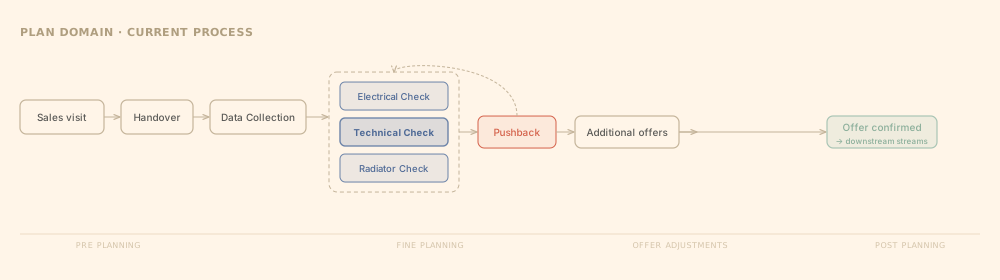
The planning domain spans the full journey from sales handover through to the job moving into production, across pre-planning, fine planning, offer adjustments, and downstream streams that depend on planning being accurate to do their work.
Fine planning was the bottleneck. Several parallel checks all had to be completed before a job could move forward. Any one of them could trigger a pushback loop, stalling the process and delaying everything downstream.
We focused there first. Not because the rest didn't matter, but because fixing fine planning would unblock everything that followed.
Understanding the Workflow
We started by getting close to the work
Before designing anything, we spent time with the team, sitting with checkers, watching how they worked, asking questions. We mapped the process from handover through to completion, joining daily stand-ups and following tasks as they moved between teams.
What we found was a system with many moving parts running in parallel: multiple checks, calculations, and coordination flows all triggered at handover, all interdependent. That part was actually working. The bottleneck was coming from inside the checks themselves.
Understanding the Problem
All the information hiding in open text fields
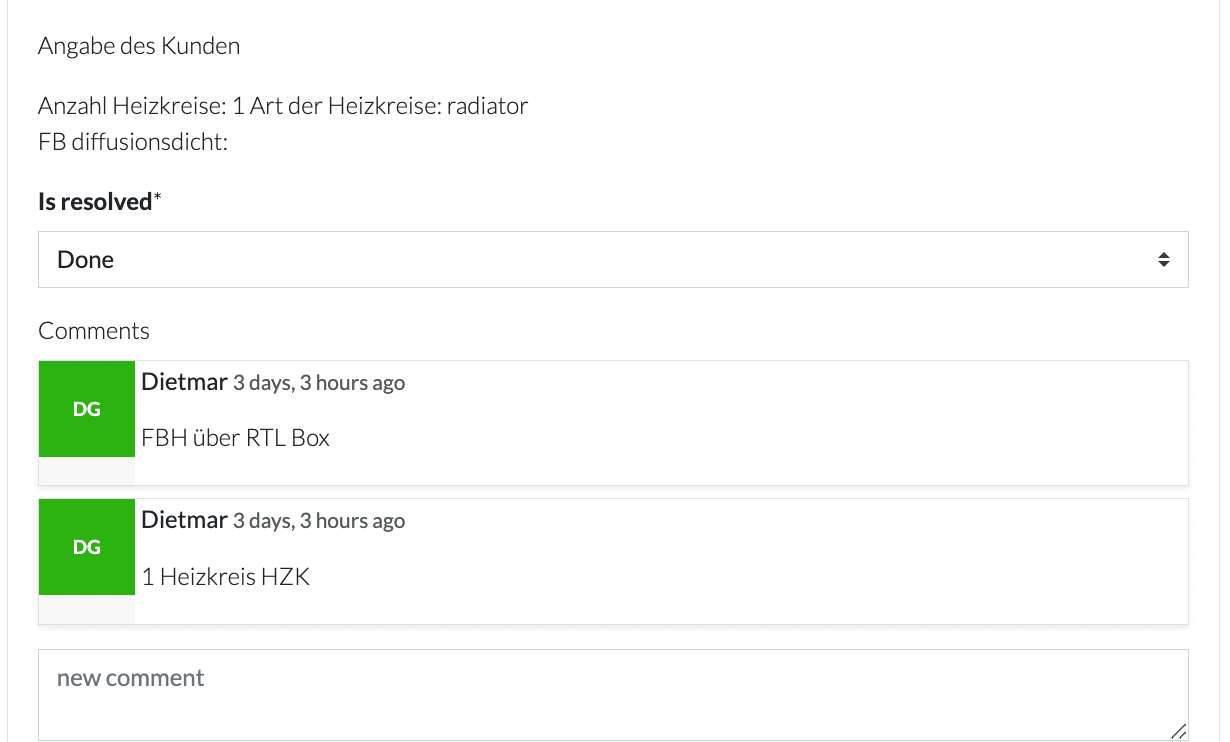
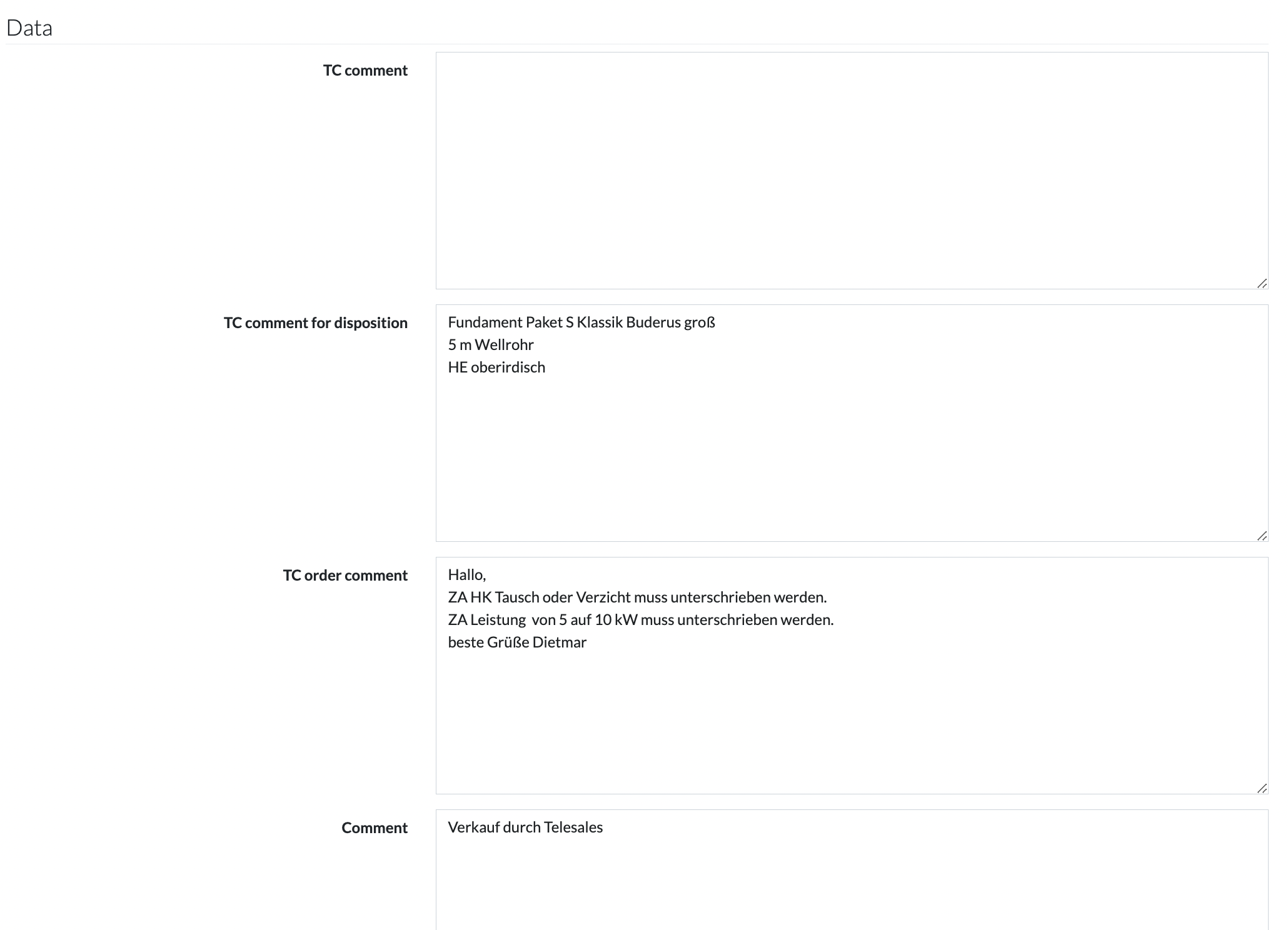
The check tool gave checkers one thing: a blank text box. Everything went in there: measurements, decisions, flags, notes. The result was a paragraph that only the checker who wrote it could reliably interpret.
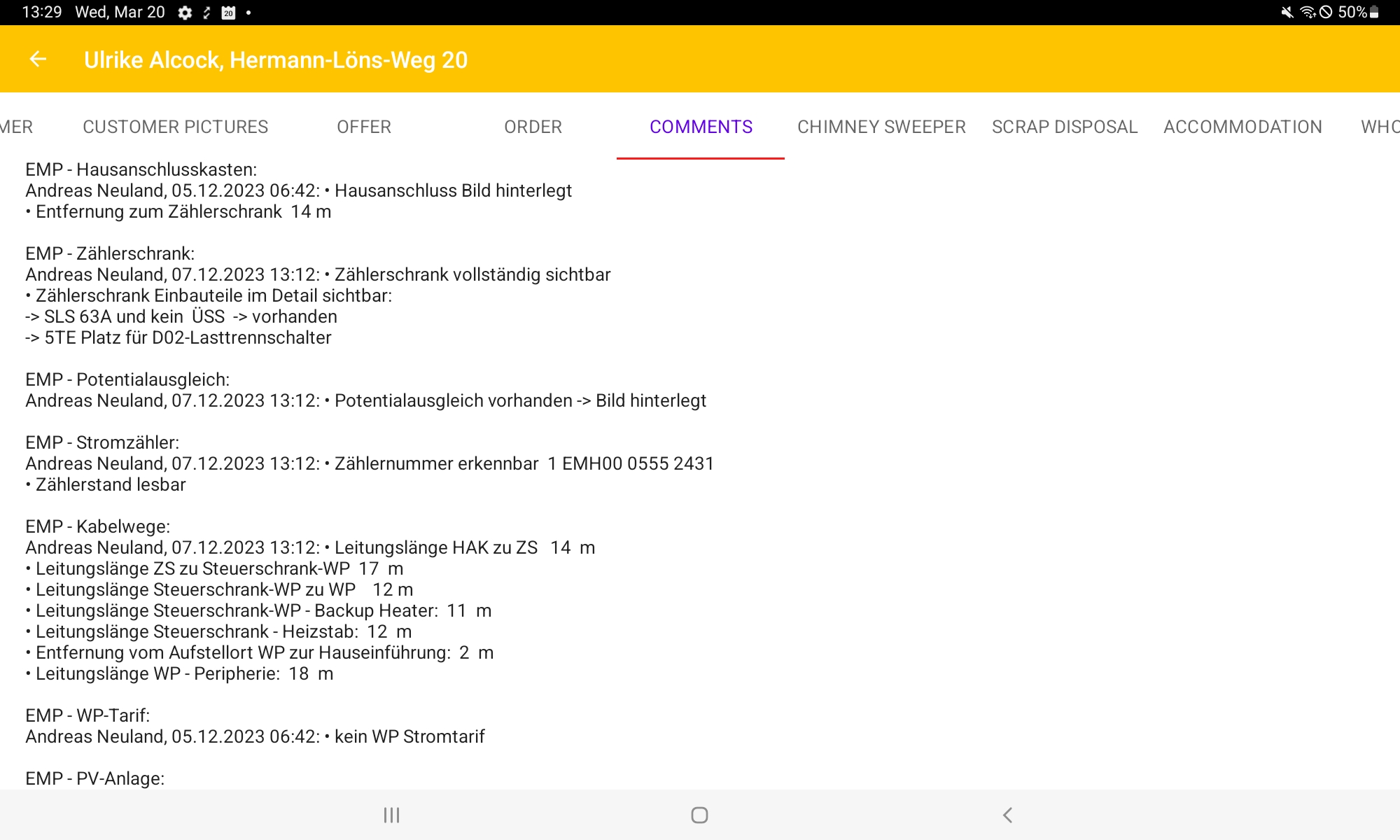
Several things were making the check slower and more error-prone than it needed to be:
Unstructured input
Checkers typed freely into open fields: no set format, no validation. Every checker worked differently.
Unusable output
The result was a block of freeform text. Nothing could be extracted, tracked, or fed into downstream systems automatically.
Back and forth with sales
Offers often had technical gaps. Checkers flagged them, sales corrected, the offer went back, sometimes through several rounds before it was valid.
Customer approval loops
If the corrected offer meant a higher price or changed scope, the customer had to approve it again. Every loop added days to the timeline.
Low Hanging Fruit
Fix it locally first, then zoom out
Given the time pressure, we split our thinking into two horizons. The immediate fix: replace open text with structured, parameterised inputs. The broader fix: redesign the planning overview to give the whole team visibility into where things stand and what's blocking.
We started locally. Structured inputs meant the output of every check would be consistent and usable: no more manual copying, no more interpretation, no more inconsistencies in the downstream brief handed to craftspeople on site.
Mapping the Parameters
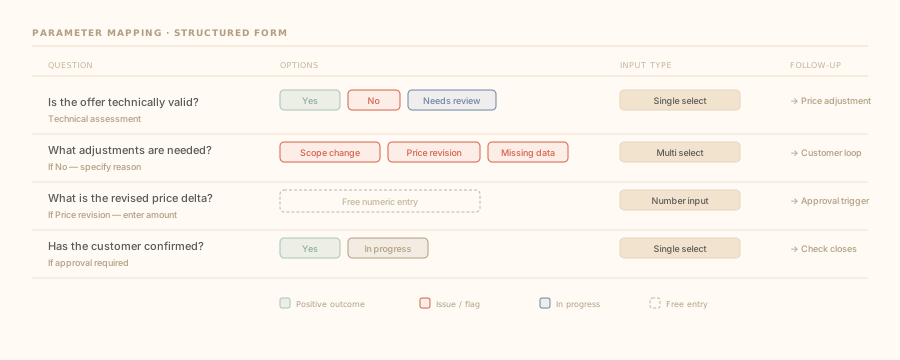
You can't structure what you haven't defined
Before we could build the form, we had to define every question, every possible answer, and every input type. I worked with the team to translate the full check process into a structured map, making explicit the decisions that had previously been made implicitly, in free text, by whoever happened to be doing the check that day.
Design Challenges
Making explicit what was always implicit
Switching from open text to a structured form meant making design decisions that the old process had never needed to make. A few things required careful thinking:
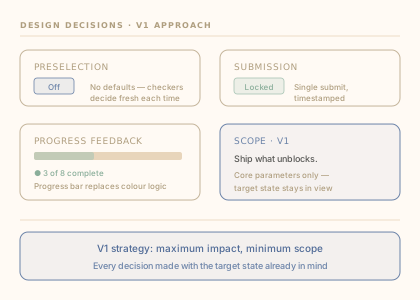
Preselection
Should the form prefill answers based on the offer? Faster for checkers, but risked anchoring them to incorrect defaults.
Submission state
How do we show that a form has been submitted? Should there be versioning or history? We had to define this from scratch.
Progress feedback
The old fields used colour logic to signal status. Users were familiar with it. We had to honour that mental model while moving to a new system.
Scope discipline
The urge to solve everything at once was real. We held the line: define V1 with the target state in mind, ship what unblocks, build toward the rest.
Defining the Solution
Replace open text with a guided, adaptive form
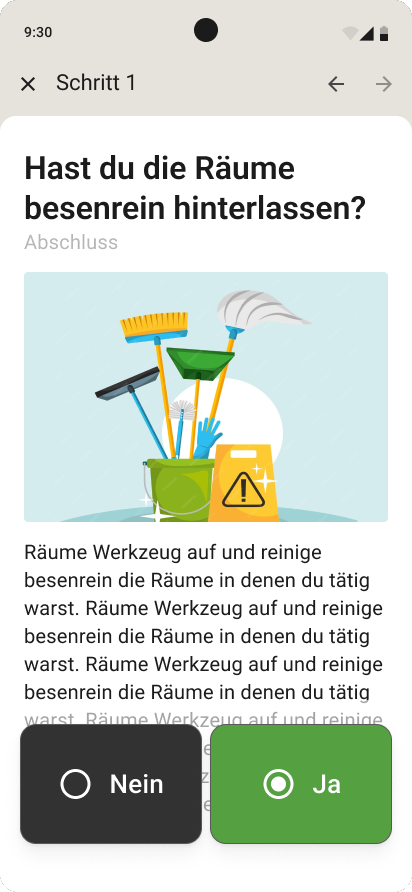
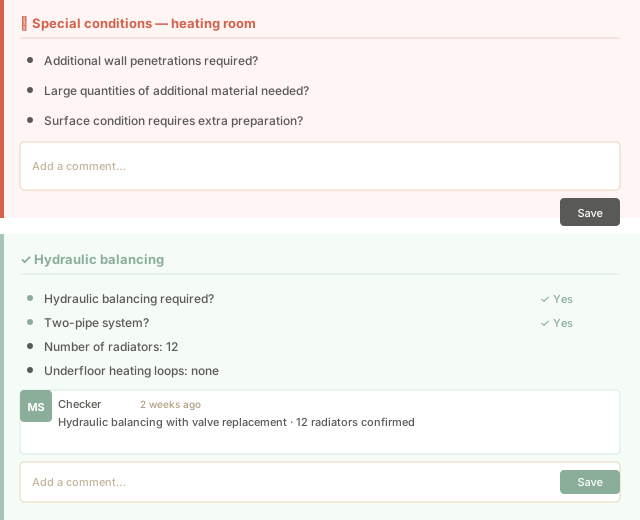
The form needed to do more than collect answers. It had to guide checkers through a consistent process regardless of experience level. We designed a dynamic, parameterised form where each response determines what comes next, adapts to the specifics of each job, and produces structured output that downstream teams can use without any manual translation.
Testing & Iteration
Validate fast, adjust often
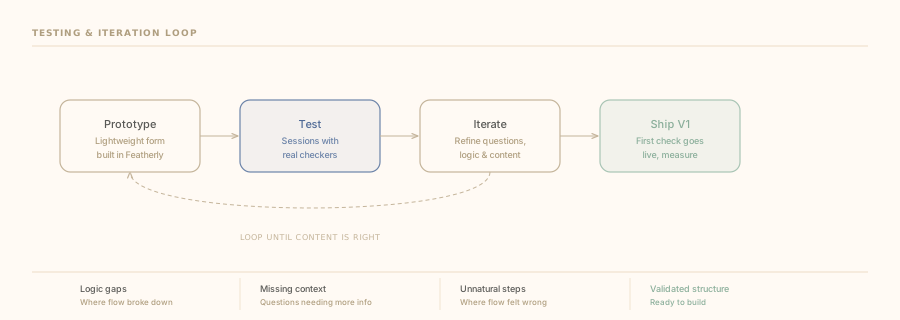
We built a lightweight prototype to test the parameter structure with real users (quick to adjust, no heavy dev effort required). Testing revealed where the logic broke down, where answers needed more context, and where the flow felt unnatural. We iterated on the content before touching the build, then rolled out the first version and measured from there.
Impact
Structured data, measurable results
Replacing open text with parameterised inputs didn't just speed up the check. It made the results traceable. The business could now connect what was decided in the check to what actually happened on site.
42%
Reduction in on-site surprises: issues that could have been caught at the check stage
3×
Faster check completion: structured inputs removed the need to compose freeform notes
Zooming Out
From fixing a bottleneck to building a process
Once the check bottleneck was unblocked, we turned our attention to the bigger picture. The structured inputs had created clean, reliable data for the first time, but there was no single place to see it all together.
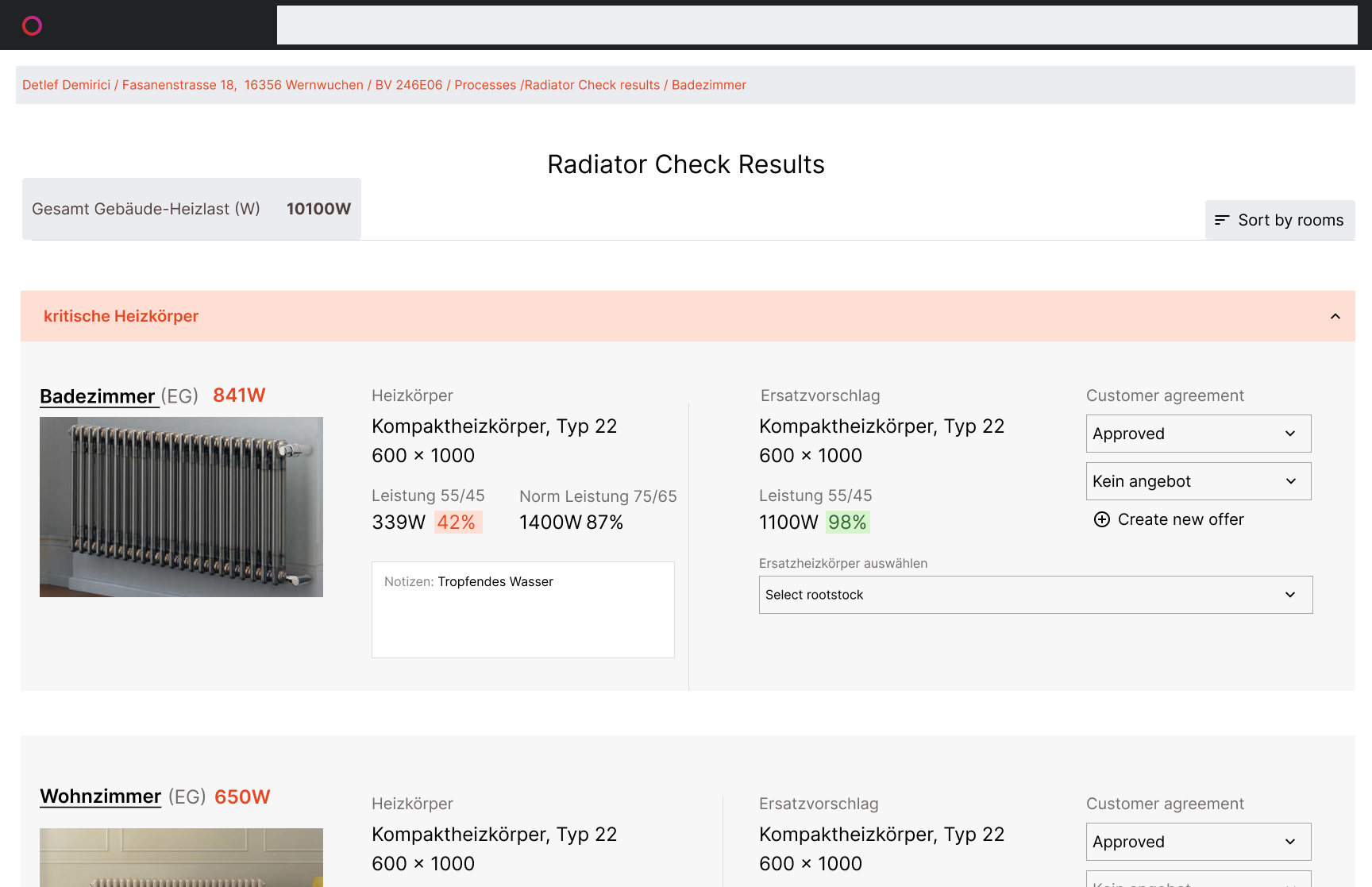
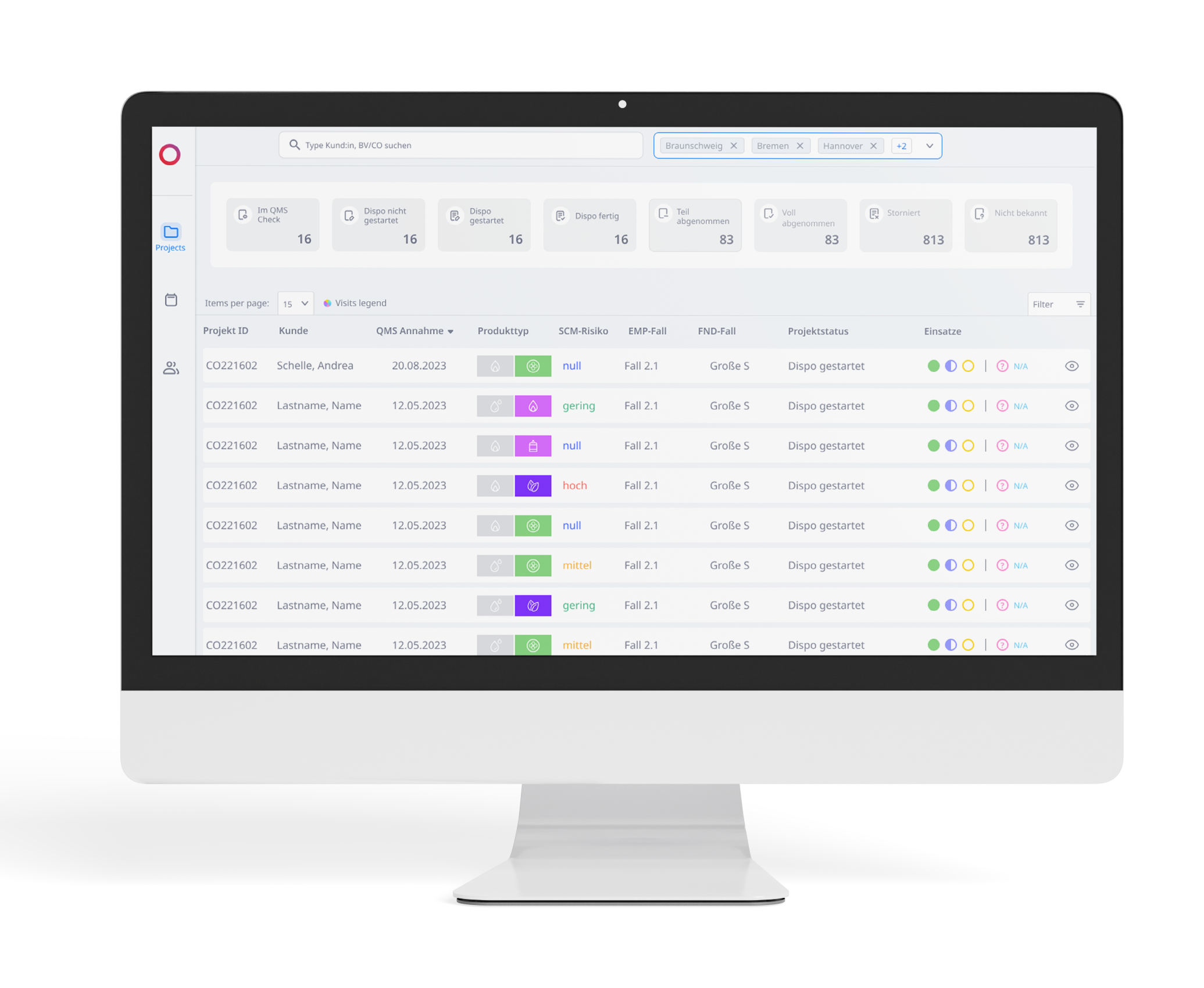
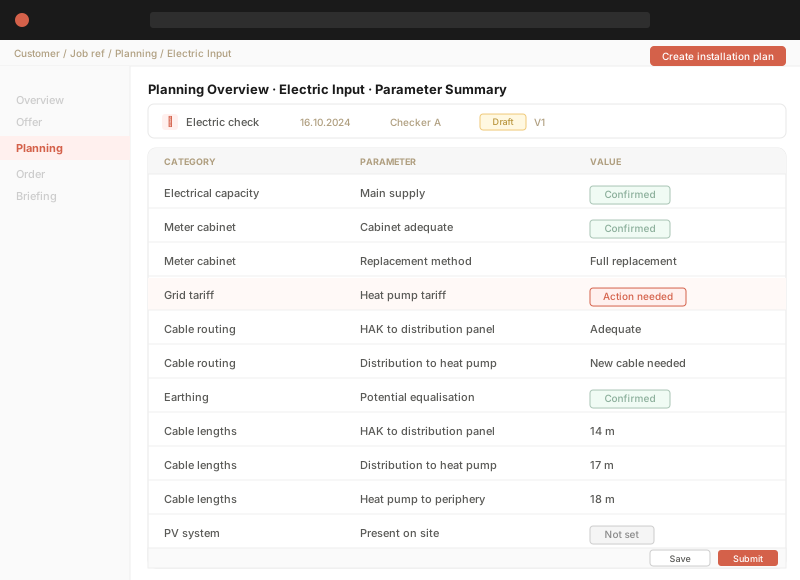
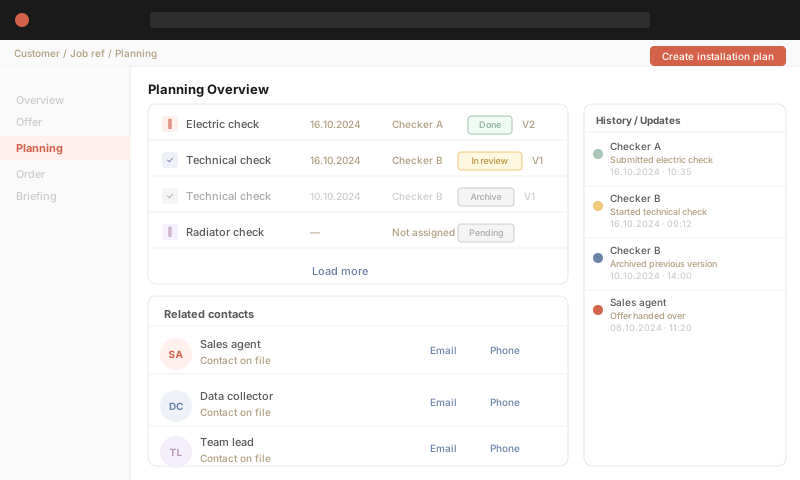
We designed a planning overview that separated data by visit, giving the business a clear view of where each job stood at any point in the process. For the first time, the results of each check were traceable back to the original offer, connected all the way through to what actually happened on site.
Target State
What the structured form unlocked for everyone
The form wasn't just a faster way to do the same thing. It changed what was possible downstream, for every person who touched the job after the check was done.
Checkers
A consistent, guided process replaced the blank text field. Less cognitive load, fewer errors, faster completion regardless of experience level.
Sales
Structured feedback meant clearer, faster responses when an offer needed adjustment. Less back-and-forth, less time spent chasing clarification.
On-site teams
The site brief became reliable. Teams arrived knowing what had been checked, what had been flagged, and what to expect. No more surprises discovered after arrival.
The business
Decision data became traceable for the first time. What was checked, by whom, and with what outcome. All connected back to the original offer and forward to what happened on site.
Next Steps
Moving forward to our target
With the structured check process in place, the next focus was bringing the same rigour to a more complex part of the flow, one that required evaluating multiple variables per job and presenting the results in a way that supported well-informed recommendations at scale.