About
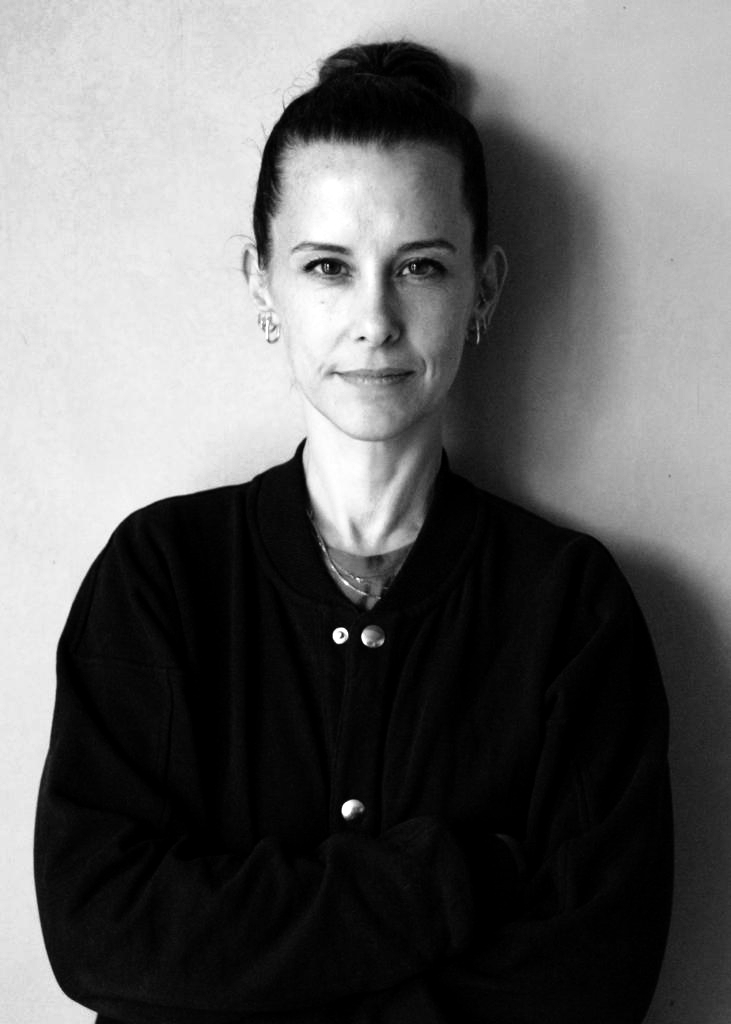
My path into design wasn't a straight line. From editing newspaper ads to put myself through school, to my first design role at an advertising company, evolving into UX. It all came down to one thing: wanting to create real impact.
Then came 2021. I had a small baby, the world was in the middle of COVID, and I somehow found myself joining a university hackathon dedicated to designing for people with disabilities, specifically people on the autism spectrum. Two of the ideas I worked on have since become real products. But that wasn't the biggest takeaway.
The biggest lesson was realising that design is much more than a profession. It is a way to improve someone's life. That experience completely changed how I think about my work and the kind of designer I want to be.
Since then, I've made myself a simple promise: if design is my superpower, I'll use it for good.
View work →


Process
My design process
The way you do anything is the way you do everything.
Collect and sharpen
I start by getting a real sense of the problem: talking to end users and stakeholders, collecting different points of view, then figuring out what common practice looks like and how this problem has been solved before. I also calibrate how deep to go based on the business need. An urgent problem calls for fast answers, not a six-week research plan.
Prototype and test
AI has shifted how I work. Instead of weeks of documentation before anyone sees anything, I build something real early, put it in front of people, and use what I learn to make the hard calls. The goal is always to validate first so the team can move forward with confidence.
Refine and build
Once tested, I refine in Figma based on what I actually learned. Then hand off with confidence. The hard questions are already answered. You'll always know why I made a design decision, not just what I did.
How I work
Philosophy
I believe everything is connected. Design is not the most important thing in a business, but good design leads to a better product, a better product leads to better outcomes, better outcomes lead to a healthier company, and a healthier company takes better care of its people.
The same is true inside the team. Good communication creates good collaboration. Good collaboration creates good products. The quality of what we build is a direct reflection of how well we talk to each other.
Top strengths · CliftonStrengths
Restorative
Natural problem solver. Thrives on fixing what is broken.
Empathy
Intuitive understanding of how others feel. Designs with people, not for them.
Adaptability
Flexible and present-focused. Responds well to change and ambiguity.
Relator
Builds genuine, deep relationships with teammates and stakeholders.
Developer
Spots potential in others and helps it grow.
Outside of work
Who, me?
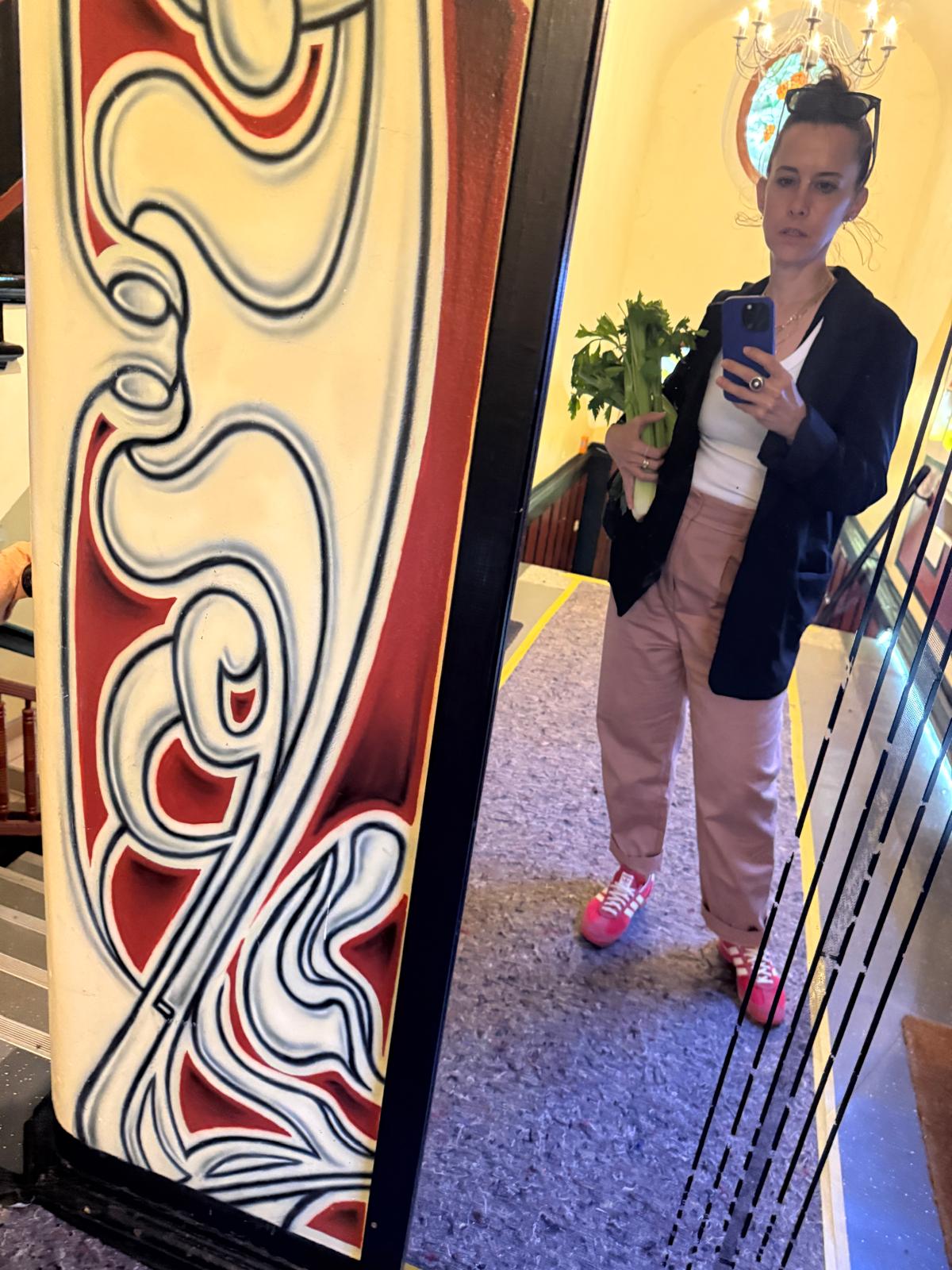
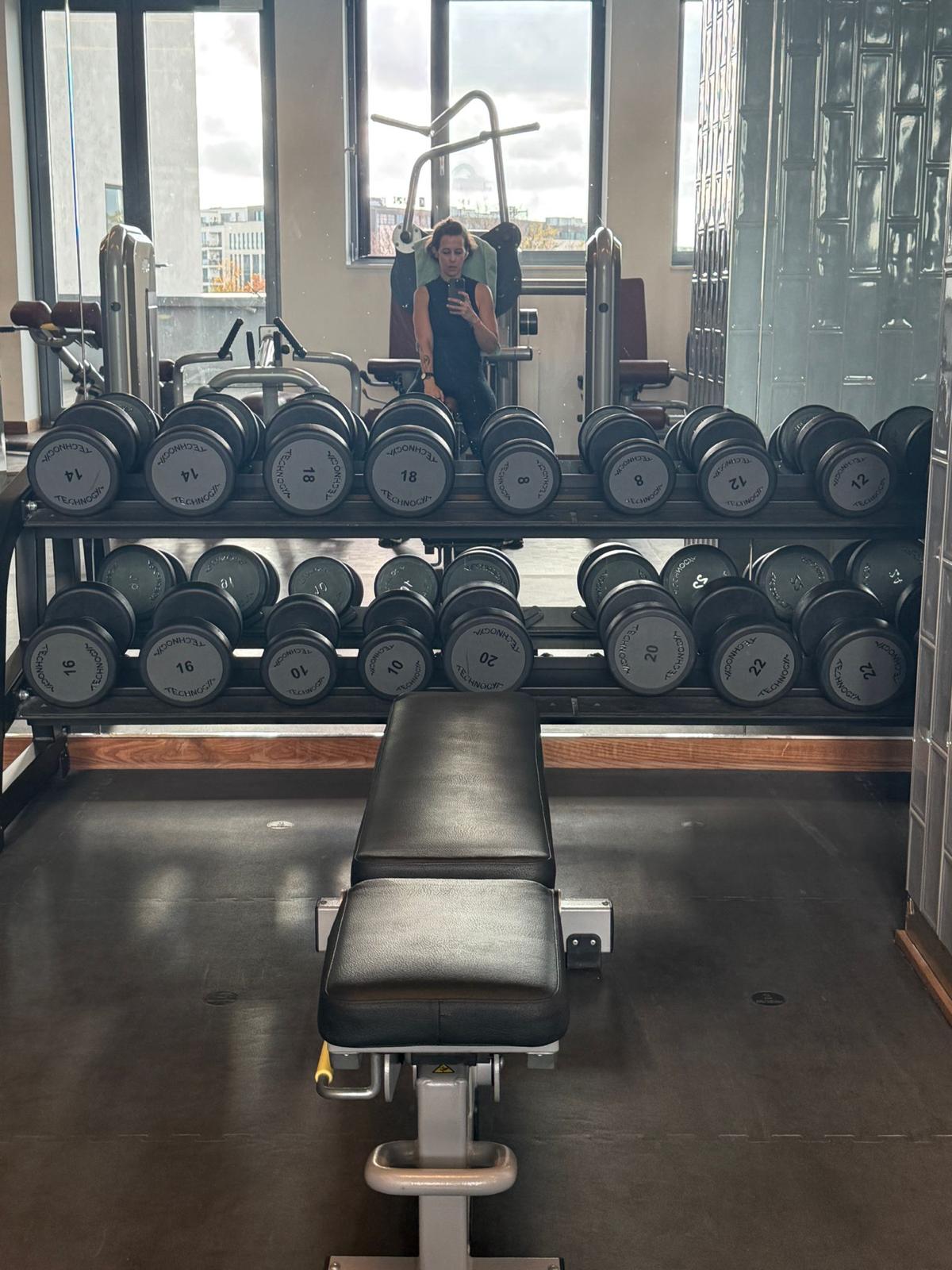
I live in Berlin with my favourite group of people, and any day with the gym included is a good day. I love a nice chat with a friend, and being outside when the skies are blue.
I live an active, healthy life. I move a lot, read a lot, and try a lot of things. Not because I'm restless (ok, maybe a little), but because I genuinely think that's one of the better ways to spend a life.
Right now I'm learning German (sitting at B1 and fighting for every word) and studying to become a certified personal trainer. I like how physically hard things make you better at handling life.
I design for real people, real stakes, things that actually matter. I'm a mother and a partner, and my family is the centre of everything I do. It makes me a better designer.
Writing · Coming soon
Health Notes
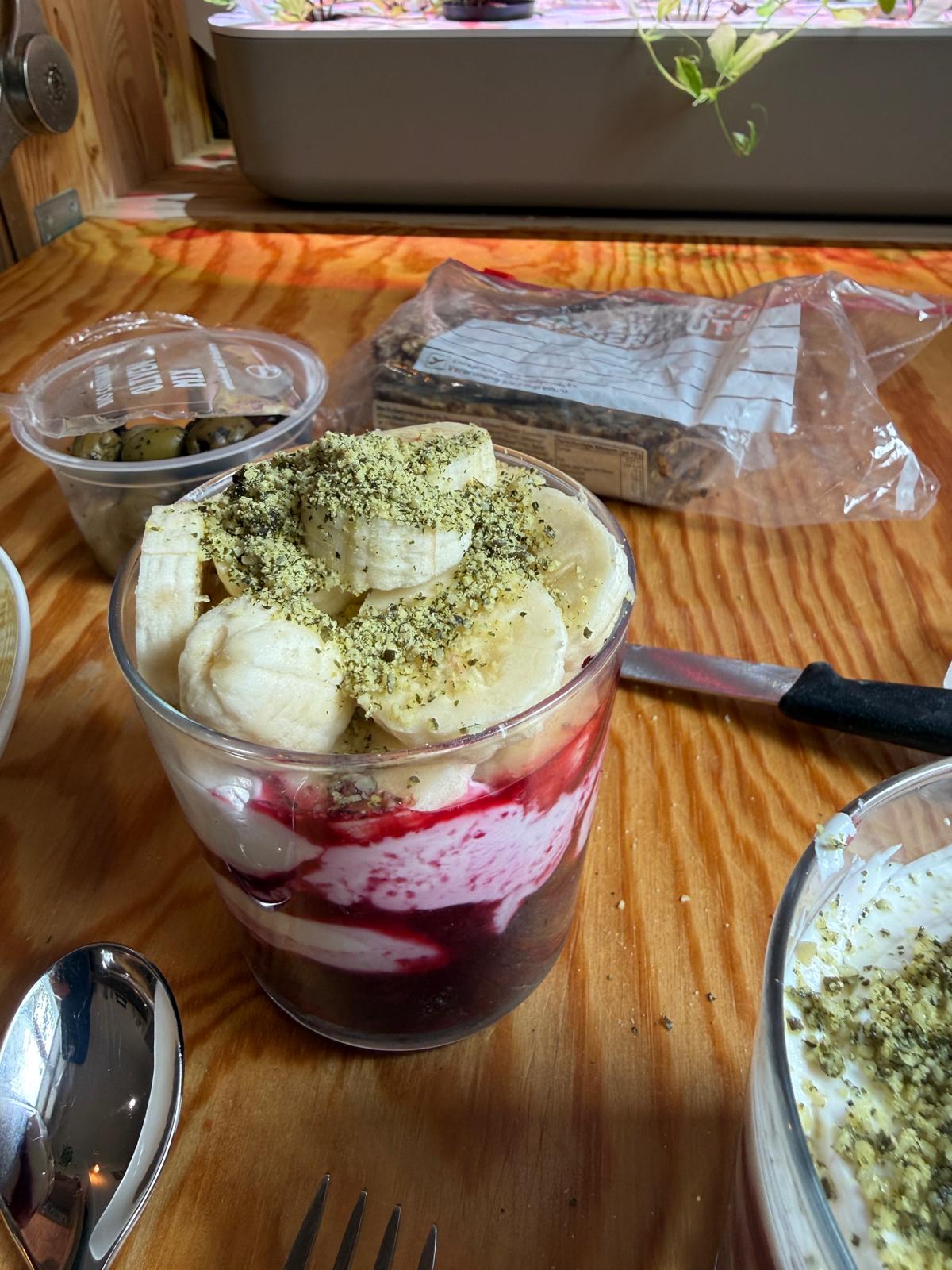
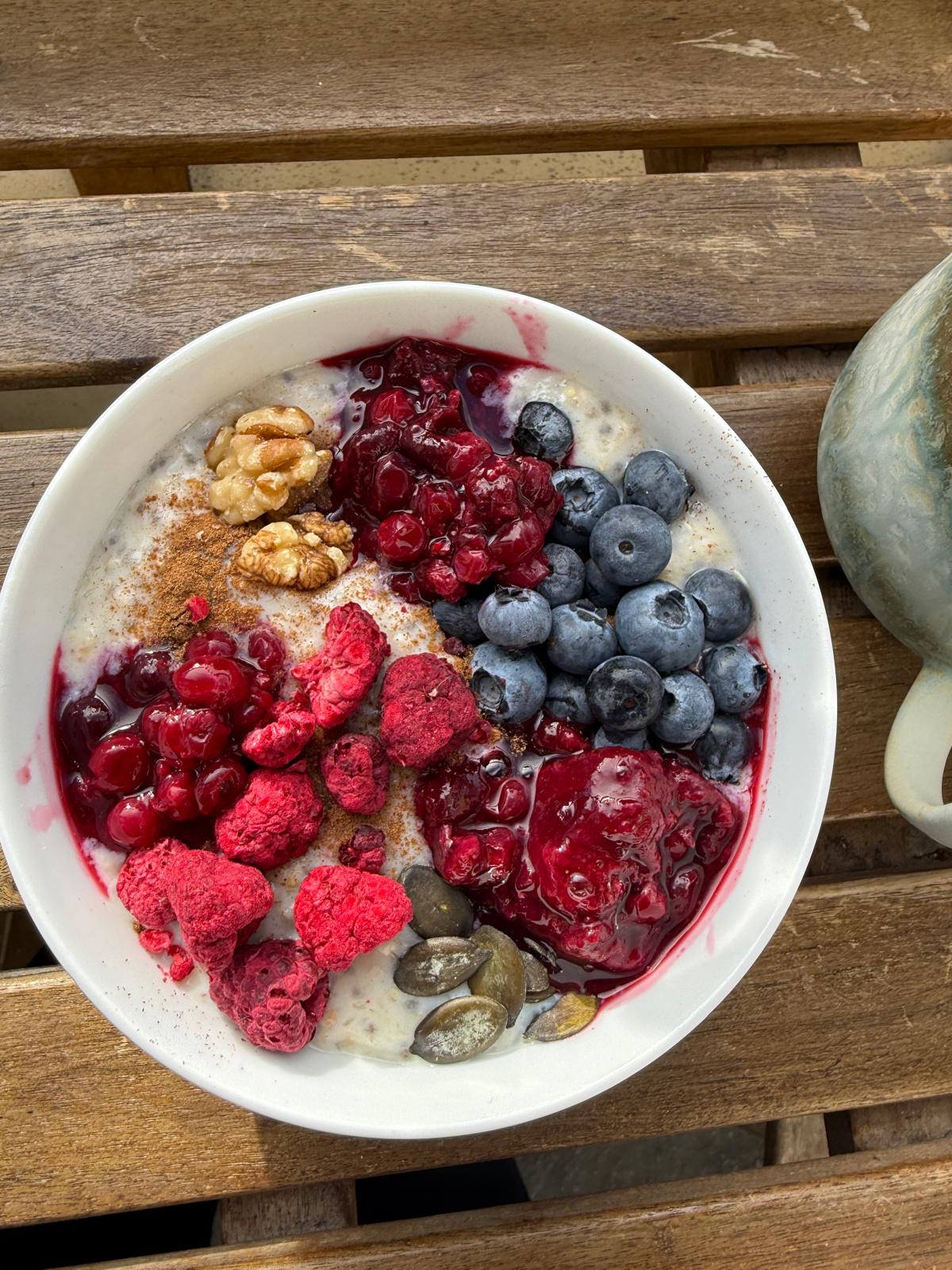
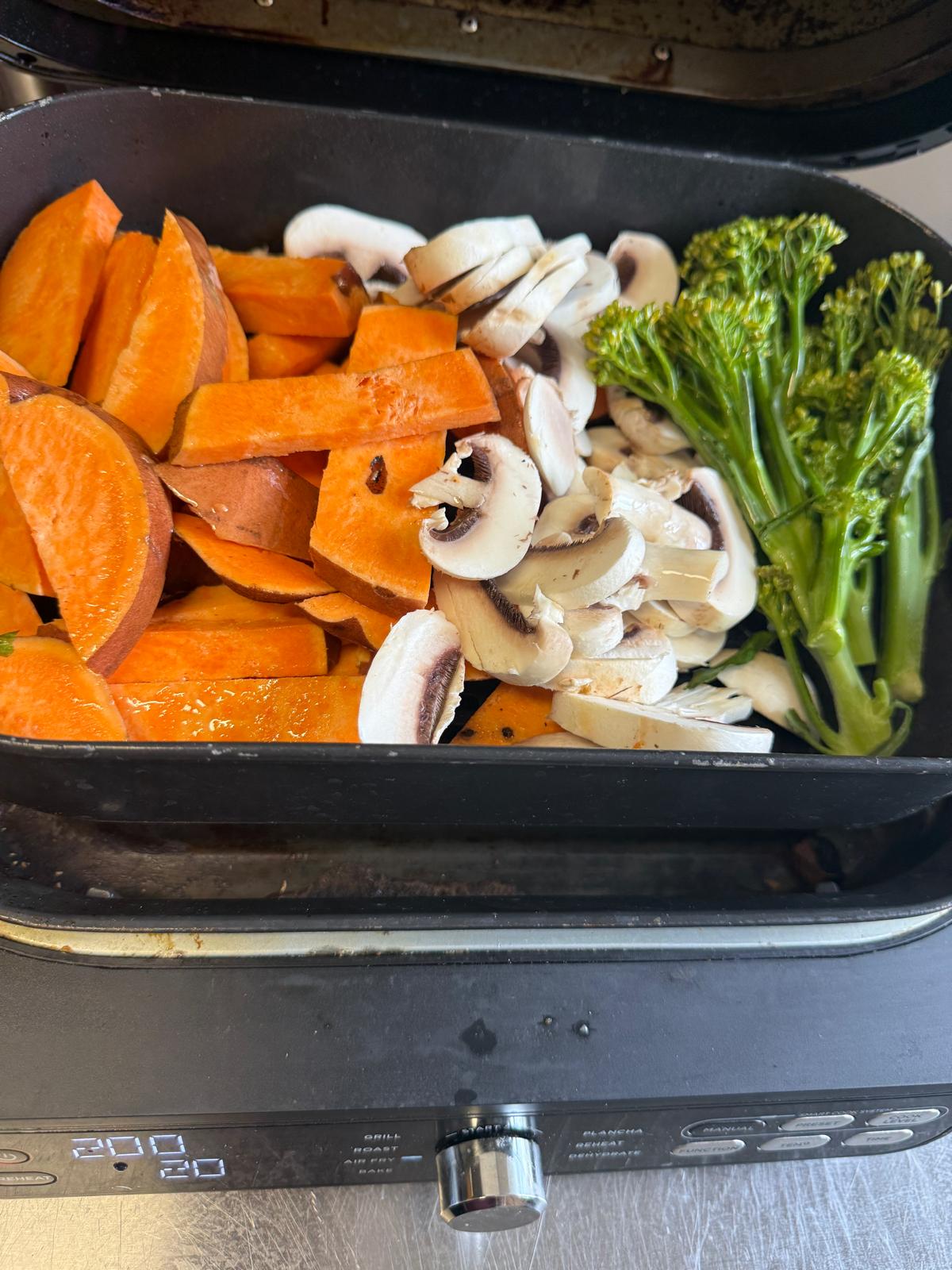
I write about food, movement, and how to feel good without making it a full-time job. Thinking out loud, mostly. Sometimes useful.